Why louder is not automatically better
Mastering at Olivevanta focuses on translation: your song should stay recognisable on earbuds, in a car, and on a laptop. Heavy limiting before upload often makes Spotify or Apple Music turn you down, flattening transients without gaining perceived level.
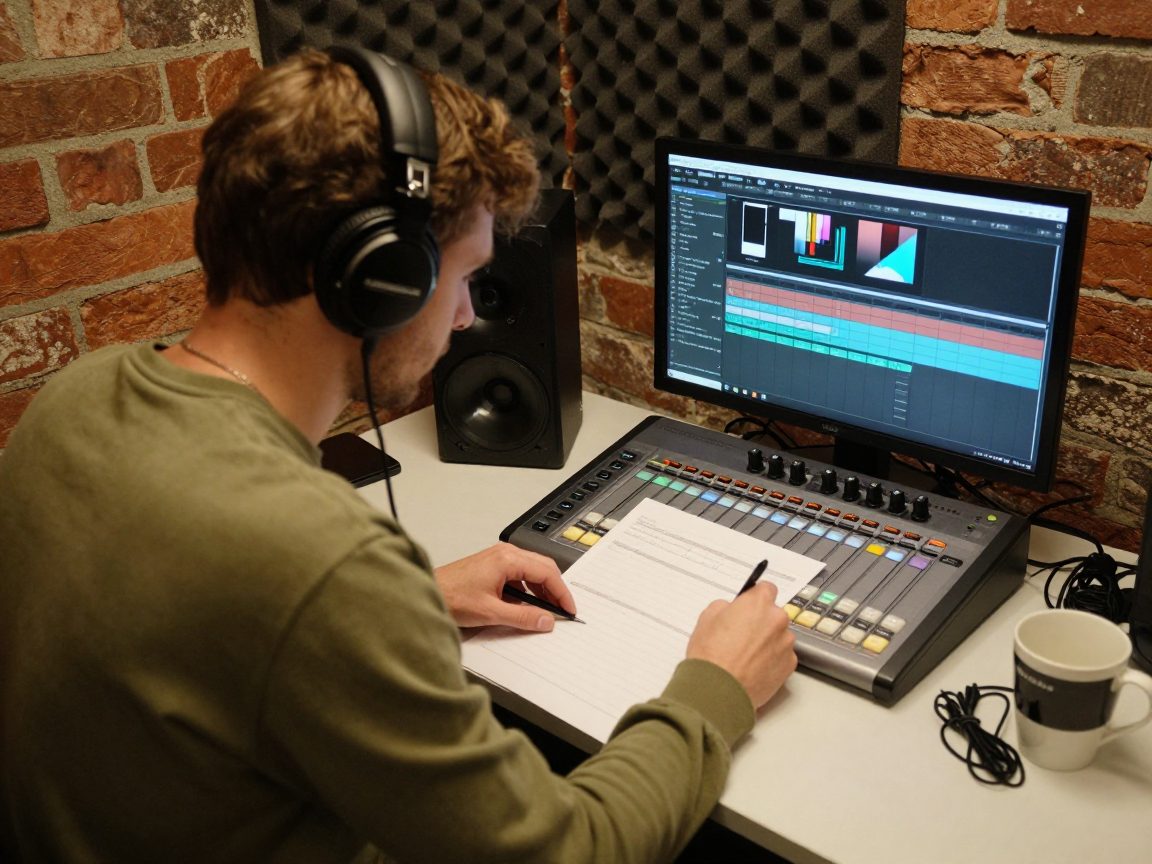
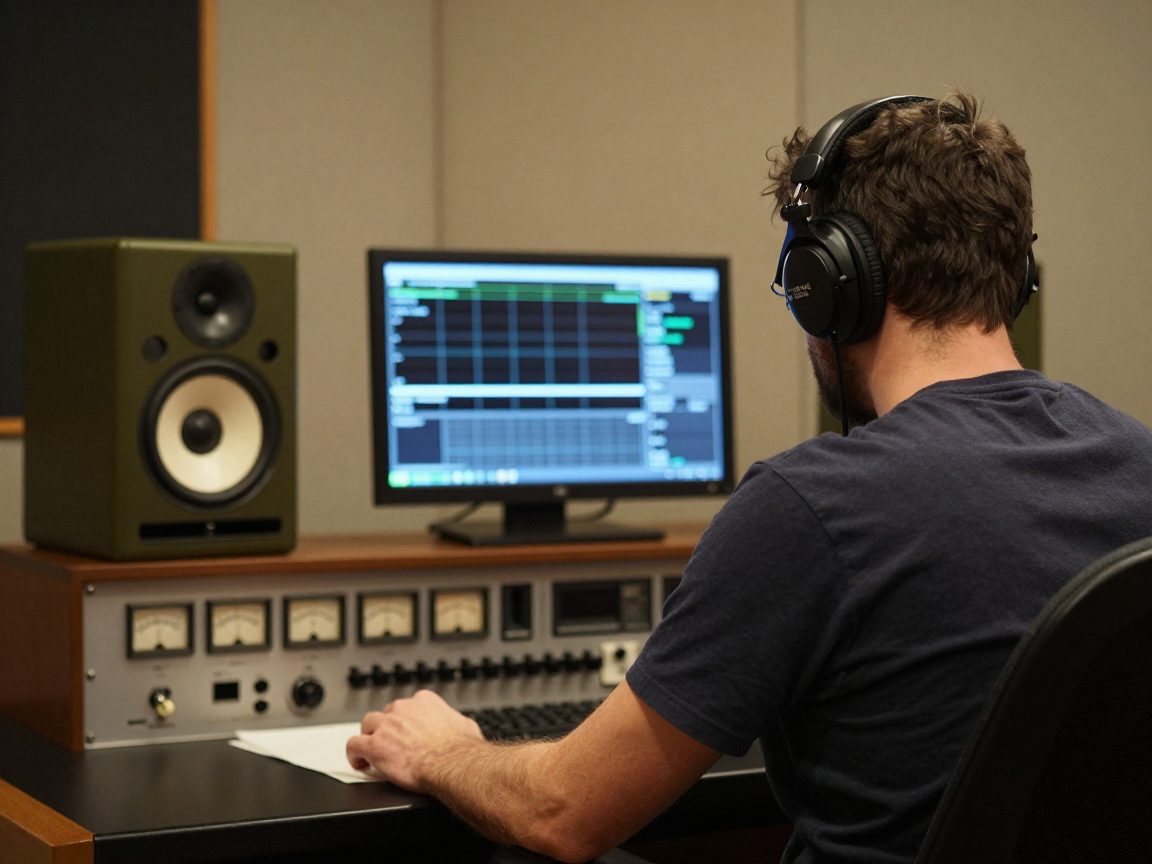
We work in a treated room with 3 monitor pairs and cross-check on familiar headphones. Process details live on mastering; mix questions sit in mix revision rounds.
LUFS and true peak briefly
LUFS measures average perceived loudness across a track. Streaming services often target around −14 LUFS integrated for music, with variation by platform and genre. True peak (dBTP) guards against clipping after lossy encoding; we aim for margin below 0 dBTP, commonly near −1 dBTP depending on destination.
These numbers are guides, not laws. A dynamic ballad may measure quieter than an EDM single; we decide with your mix and references. If you target both streaming and vinyl, mention that early so we avoid compromises that hurt one format.
What happens after upload
Spotify normalises using loudness metadata; hot masters are turned down, quiet ones may be raised within limits. Apple Music and YouTube use their own targets. Many Dutch artists release via aggregators (DistroKid, iMusician, etc.), usually asking for WAV at 44.1 or 48 kHz, 24-bit.
We deliver aggregator-ready formats plus an uncompressed archive master. Vinyl needs different headroom and sequencing — a stem master per track (€145) helps when you later cut side-specific lacquers with your cutting engineer.
Preparing your mix for mastering
Send mixes with roughly 3–6 dB bus headroom and no master limiter unless it is an intentional creative choice you explain. Export without dither if you supply 32-bit float; for 24-bit WAV we discuss dither in the mastering chain.
Include desired track order for EPs/albums, ISRCs if you have them, and explicit flags. Clipped mixes may need correction before we master at €92 per track — sometimes back to mixing first.
Comparing without meter obsession
Meters inform, ears decide. We level-match references against your master before judging punch. Blind checks on 3 speaker sets stop one cabinet from skewing choices.
At home, disable replay gain when A/B testing. Note differences in vocal presence, bass definition, and stereo width — not only «louder or softer».
Delivery formats
| Destination | Typical format | Note |
|---|---|---|
| Spotify / Apple | WAV 24-bit, 44.1 or 48 kHz | Do not upload MP3 masters |
| Bandcamp / download | WAV or FLAC | Higher res optional |
| Vinyl | WAV per side + lacquer brief | Extra headroom, discuss RIAA with plant |
| Video / sync | WAV, watch M&S issues | Conservative true peak |
We confirm specs per project via contact.
Rates and turnaround
Mastering from €92 per track; EP bundles up to six tracks €265. Once the final mix arrives we reply within 2 business days with a schedule; simple singles are often done within a few working days.
25% deposit on confirmation. Files stay 18 months per privacy policy. Evening slots available: Mon–Fri 09:30–21:30, Sat 10–17.
Master submission checklist
- Final mix without clipped bus.
- Track title, artist name, explicit yes/no.
- At most two reference tracks with reasons.
- Destination (streaming, vinyl, both).
- EP order and any crossfades noted.
Podcast loudness differs from music — see podcast edit options for speech. Questions? 020 244 8619 or [email protected].